Sensenich Propeller – P/N 74DM6-0-60
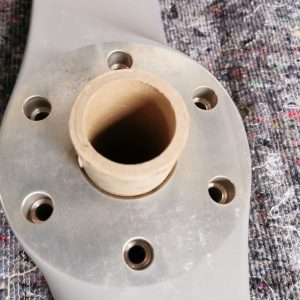
New, Never Installed may support a restoration, new aircraft build, engine installation, maintenance project, spare inventory requirement, or replacement-propeller search.
Whether buyers search for a Sensenich Propeller P/N 74DM6-0-60, Sensenich 74DM6 Propeller, or 74DM6-0-60 Aircraft Propeller, complete identification should guide the purchase.
A Sensenich Fixed-Pitch Propeller may also be categorized as a Sensenich Aluminum Propeller or Fixed-Pitch Aluminum Propeller when the exact material and configuration are confirmed.
A Lycoming O-320 Propeller may only be appropriate for selected engine and airframe combinations, even when the basic engine family appears compatible.
A Two-Blade Aircraft Propeller should be treated as one matched rotating assembly, while a Sensenich Aircraft Propeller should be identified through verified manufacturer markings.
Confirming the Exact Aircraft Propeller
The complete propeller designation should be verified through the manufacturer data plate, hub markings, blade markings, serial number, original records, packaging labels, photographs, and available Sensenich technical information.
The buyer should determine whether the propeller remains in its original manufactured configuration or has undergone any pitch adjustment, diameter reduction, refinishing, inspection, trial fitting, repair, or alteration.
Understanding New-Old-Stock Propeller Status
This condition can provide significant value, but it does not independently confirm current serviceability after storage, transport, or repeated handling.
New, Never Installed.
Understanding Fixed Blade Geometry
The 74DM6-0-60 should be selected using applicable technical data rather than general claims about improved climb or cruise performance.
Diameter influences ground clearance, tip speed, aerodynamic load, and airframe compatibility.
Inspecting the Sensenich Aluminum Propeller
Professional inspection helps preserve the long-term value of the Sensenich Aluminum Propeller.
Factory paint and protective coating should be checked for lifting, bubbling, scratches, abrasions, discoloration, and exposed metal.
Avoiding Unverified Propeller Size Claims
Propeller diameter affects ground clearance, tip speed, engine loading, airframe clearance, and aerodynamic performance.
Diameter should be measured using an appropriate hub-center reference and complete tip-to-tip procedure.
Verifying the 74DM6-0-60 Pitch
The 60-inch pitch designation is an important specification that should be verified through model markings, suitable technical data, and professional measurement when required.
A never-installed propeller should still be reviewed for shipping distortion, impact, or manufacturing-record consistency.
Verifying Aircraft and Engine Applications
The Lycoming O-320 engine family includes different models, power ratings, flange configurations, operating limits, and aircraft applications.
The engine and propeller combination must remain within applicable RPM and power limitations.
Two-Blade Aircraft Propeller Configuration
Blade comparison should include the faces, backs, roots, leading edges, trailing edges, tips, and hub transitions.
The buyer should examine both blades for differences in paint, coating wear, pressure marks, corrosion, shape, tip condition, and packaging contact.
Hub and Mounting Configuration
The mounting face should remain clean, flat, protected, and free from defects that could prevent correct seating.
A propeller-only listing may require additional hardware before installation can begin.
Inspecting Blade Tips and Trailing Edges
The depth, location, orientation, and extent of any defect affect the appropriate inspection or corrective action.
Detailed surface review helps support the claimed new condition.
Maintaining the Factory Finish
Aluminum propellers can develop corrosion after exposure to moisture, condensation, coastal air, chemicals, damaged coatings, or unsuitable storage materials.
The factory finish should remain protected from abrasive materials, harsh cleaners, adhesives, chemical vapors, and trapped moisture.
Separating Certification from Current Condition
The buyer should confirm the data plate, serial number, production information, conformity records, release documents, and exact approved aircraft application.
All documents should remain permanently associated with the correct physical propeller.
Reviewing Purchase and Storage Records
Reliable traceability improves professional buyer confidence.
Available records may include factory paperwork, conformity documents, release certificates, storage records, purchase invoices, inspection reports, and aircraft-project information.
Evaluating a New Never-Installed Propeller
A pre-purchase review should confirm the complete model, serial number, diameter, pitch, blade count, hub configuration, mounting pattern, manufacturing information, storage history, physical condition, applicability, and documentation.
- Resolve identity, applicability, dimensions, condition, and package-completeness questions before payment.
- Confirm the manufacture or purchase date, storage duration, environmental conditions, preservation method, ownership history, and absence of operating time.
- Report freight damage, missing documentation, identification differences, corrosion, finish defects, blade damage, or dimensional discrepancies promptly.
Protecting a New Two-Blade Propeller in Transit
The propeller should be packaged in a rigid crate or container that supports the hub and protects both blades from bending, impact, abrasion, and uncontrolled movement.
The shipping crate should identify appropriate lifting and handling points so carriers do not use the propeller blades as handles.
Protecting the Propeller Before Installation
Responsible storage preserves the future usefulness of the Aluminum Aircraft Propeller.
The unit should not be stored directly on damp concrete, exposed ground, unstable shelving, or areas vulnerable to roof leaks.
Completing the Propeller and Spinner Assembly
Professional installation protects the propeller, engine, and airframe.
Disciplined installation supports dependable Two-Blade Aircraft Propeller operation.
Initial ground operation should monitor vibration, RPM, unusual noise, mounting security, spinner behavior, and other abnormal indications.
Routine Sensenich Propeller Maintenance
Unapproved filing or sanding can remove excessive material and alter the blade geometry.
Recurring vibration should prompt review of the propeller, spinner, engine mounts, flange, ignition system, and engine condition.
Replacement Propeller Ownership Costs
A recent professional inspection may add value when the scope, measurements, findings, and documentation are described accurately.
The lowest advertised price may not represent the lowest installed cost when hardware, records, or compatibility information are incomplete.
New, Never Installed
The Sensenich Propeller – P/N 74DM6-0-60
The unit should not be judged solely through original packaging, clean factory paint, new wording, never-installed status, or purchase price.
Whether buyers need a Sensenich Fixed-Pitch Propeller, Sensenich Aluminum Propeller, Fixed-Pitch Aluminum Propeller, or Aluminum Aircraft Propeller, current condition and dimensional conformity should be verified.
With complete evaluation and continued care, the here Sensenich Propeller – P/N 74DM6-0-60